Shepherds and Solidarity
by the Rev. AJ Ochart
Amos 1:1-2; 2:6-8; 5:14-15, 21-24
Sermon Notes
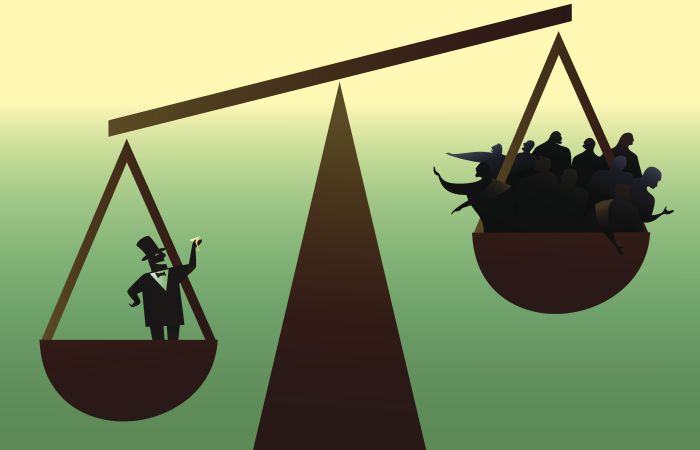
This week we skip another hundred years into the future. The Prophet Elijah and his student Elisha continued their ministry during challenging times. However, the kings of Israel continue to reign in unrighteousness. The one glimmer of hope was Jehu, a captain of the army of Israel who lead a coup against Joram son of Ahab, and oversaw the gruesome death of Jezabel, and the slaughter of the remaining prophets of Ba’al. However, he continued in the “sins of Jeroboam” by keeping the golden calves in Beth-el and Dan. Not only do these kings continue and promote the worship of other gods, they also amass great wealth for themselves and create a class of elites who do the same. This income inequality catches the attention of several who are called to be prophets, including a shepherd from the hills of Northern Judah, Amos.
Amos continues the tradition of the ‘prophetic critique’ which points out the inequality of the haves and the have-nots using the biblical concept of unrighteousness. The idea of righteousness, Tzedaq or Tzedakah in Hebrew, is ultimately about being in ‘right relationship’ with God, being in line with the instruction (Torah) that God gives to the people as covenantal partners. According to Torah, to be righteous with God necessitates a righteousness with other people. The majority of the instructions are about how one is supposed to be in right relationship with those around you, and especially with those who are disadvantaged, the poor, the widow, and the orphan. Righteousness is closely linked with another biblical concept of ‘justice’ (mishpat), the recognition of and correcting of unrighteousness.
Amos is very much a working-class organizer who points out the lavish lifestyle of the wealthy while the people around them suffer. He also points out the hypocrisy of those who would lack material righteousness with their neighbors, yet would pretend to have a righteousness with God in their worship. Amos, along with many other prophets, worn the people and elites of Israel that God’s justice will be done, whether they like it our not. He presents an opportunity to repent, change direction, turn back to the LORD, seek a renewed righteousness with God and neighbor. However, he also warns that if they do not address this unrighteousness, that there would be real and significant consequences.
Amos is one of the prophets who introduces the concept of the ‘Day of the LORD,’ the growing understanding that one day God would answer the address the unrighteousness of Israel with a pronouncement and enactment of justice. This justice would result in the restoration of the disenfranchised, a lifting up of the poor. This justice would also mean that the wealthy, who gained and retained their material resources to the detriment of the poor, will have that wealth taken away. This Day of the LORD can be seen as an active act of a God of Justice, who encourages their children to get along, but will also enact punishment when enough is enough. It can also be seen as a natural consequence of a culture which is out of balance. There is only so long that an oppressed people will stand being squeezed before they rise up and ‘eat the rich.’ In the case of Israel, in fifty or so years, they will be defeated by the Assyrian Empire. The elites of Israel who think that they are the biggest fish in the pond will find that they too can be eaten.
However, Amos’ message is also a word of hope for the future. While there will be consequences for the nation of Israel, God will still be faithful. A ‘remnant’ will stay in the land, and God will one day restore those who have been destroyed.
This prophetic message of critique and liberation will be passed down and continued through the ages. In Matthew, Jesus uses the image of a shepherd in a final judgement, proclaiming that the small kindness to the ‘least of these’ is the deciding factor for reward (or punishment). Much later, liberationist theologians have reinvigorated this prophetic critique by insisting that God has a “preferential option for the poor,” that lifting up the low and disenfranchised is a part of the very character of the divine. In recent encyclicals, Pope Francis and Leo have insisted that all Christians have a fundamental obligation to the poor, and that material poverty is a form of spiritual neglect.
In a world where we see income inequality all around us, the message of Amos continues to be relevant.
Questions to Consider
- What connections do you see between the words and world of Amos and our own?
- What is the moral obligation of those who have towards those who do not have?
- What excuses do we create for not helping, and what are the moral and spiritual implications?
- What does it mean when we worship God with our lips, but neglect the face of God in our neighbors?